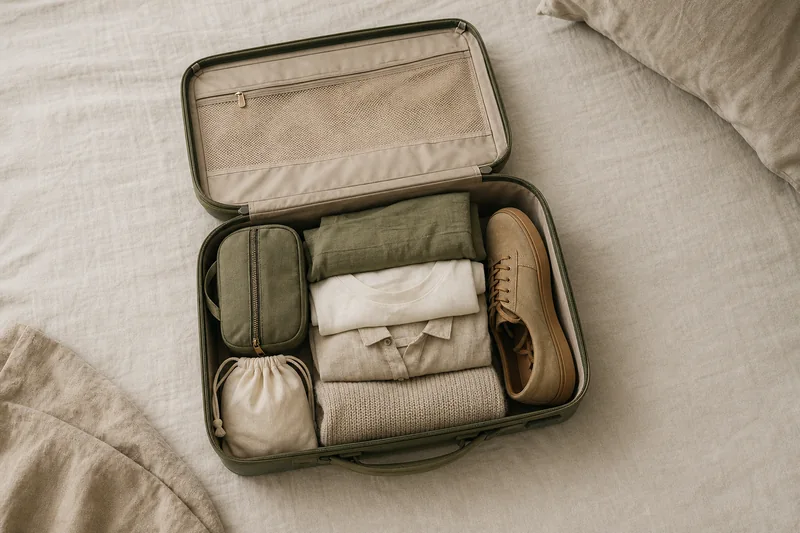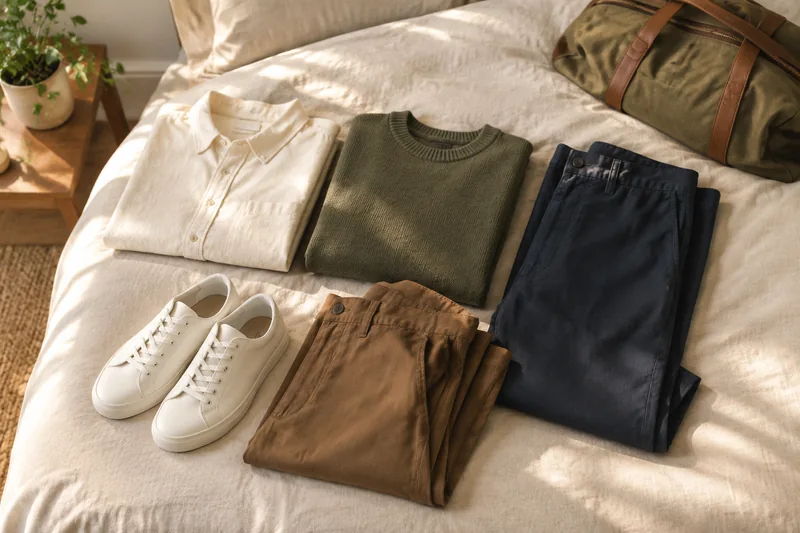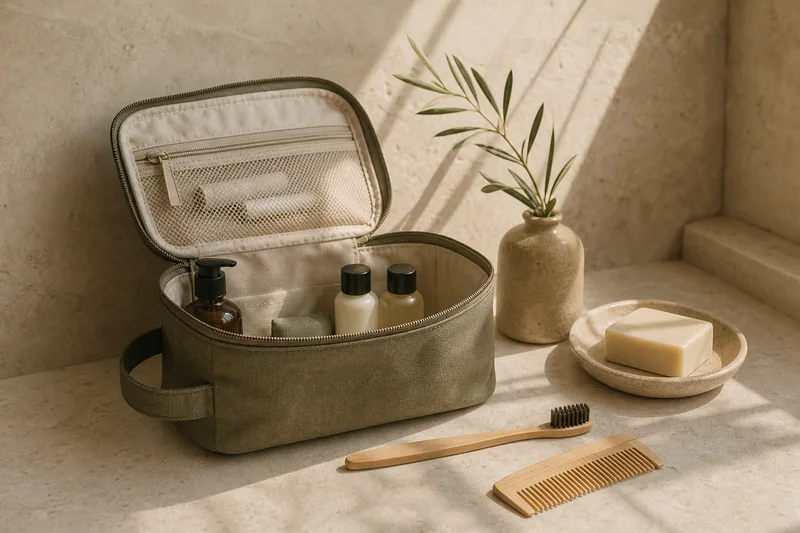
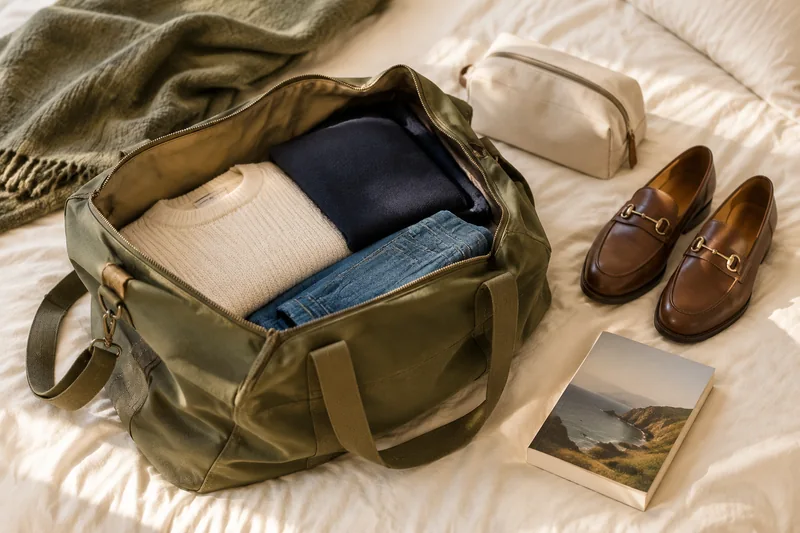
Travelling with one cabin bag begins with a useful question: what will you actually do between leaving home and coming back? A packing list should describe that trip. It does not need to cover every imaginable holiday, weather system or evening invitation.
Use the list below as an editable starting point. The clothing quantities are an editorial example for a short, casual trip, rather than a rule about how much anyone needs. Adjust for your body, access needs, activities and opportunities to wash clothes.
Start with the allowance you booked
Before arranging anything on the bed, find the baggage entitlement attached to your booking. Check the number of pieces, external dimensions and any weight limit. GOV.UK advises checking the number and size of bags with your airline; a bag marketed as “cabin size” is not a universal permission to take it on board.
Measure your packed bag with its wheels, handles and full external pockets included. If you are connecting on different airlines, compare each applicable allowance. Leave a little physical space for repacking, rather than assuming the zip closing proves that a bag will fit a sizer.
A practical starter list
| Group | Start here | Personalise it |
|---|---|---|
| Documents | Required travel documents, booking details, payment method | Check your itinerary and entry requirements separately |
| Clothing | A few compatible tops, a spare bottom, underwear, sleepwear | Match the actual weather and laundry plan |
| Footwear | Wear the pair that handles most of the walking | Add another pair only for a real activity |
| Toiletries | Toothbrush, familiar essentials, a small wash bag | Check liquid rules for every airport |
| Electronics | Phone, the necessary charger and cable | Add a laptop only if the trip needs it |
| Personal essentials | Prescribed items, glasses and other daily necessities | Keep essential items accessible |
| Organisation | A laundry pouch and a small reusable bag | Do not let organisers consume the space you saved |
Set the things you must keep with you in a separate accessible pocket. IATA notes that cabin baggage can be moved to the hold when stowage is full, so think through that possibility before reaching the gate.
Build outfits rather than a pile
Lay out complete outfits for the activities already on your itinerary. A top that works with both bottoms usually earns its space more easily than one that demands an extra pair of shoes. Try the combinations on; a photograph of a capsule wardrobe is less useful than knowing you will happily wear its contents.
Then look for duplicate jobs. Two chargers may be necessary for incompatible devices, but three “just in case” jackets might all solve the same mild evening chill. Remove the duplicate only if the remaining item really does the job. Packing light is not a reason to omit required equipment or compromise on essential personal needs.
Give the bag a simple layout
Put clothing together, isolate shoes from clean fabric, and keep toiletries protected against leaks. Use one small area for cables rather than dropping them into several pockets. Items needed during the journey belong near an opening, not beneath the entire wardrobe.
An organiser is useful when it makes retrieval easier. It is not useful merely because it looks coordinated. Empty pouches, heavy cases and spare bags all become part of the load, so include their weight when you check the packed result.
Do a departure rehearsal
Close the bag, carry it around the home and take it up a flight of stairs if that reflects your route. Notice uncomfortable straps, awkward lifting and anything that falls out when you open it. Make corrections while the contents are still easy to change.
Finally, check the forecast, recharge necessary devices and review current airline and airport instructions. Save your edited list after the trip. The things you used, missed or carried untouched will make the next version much more useful than an ever-longer generic checklist.
Continue with the one-week packing plan or use the interactive packing list to make this starting point your own.