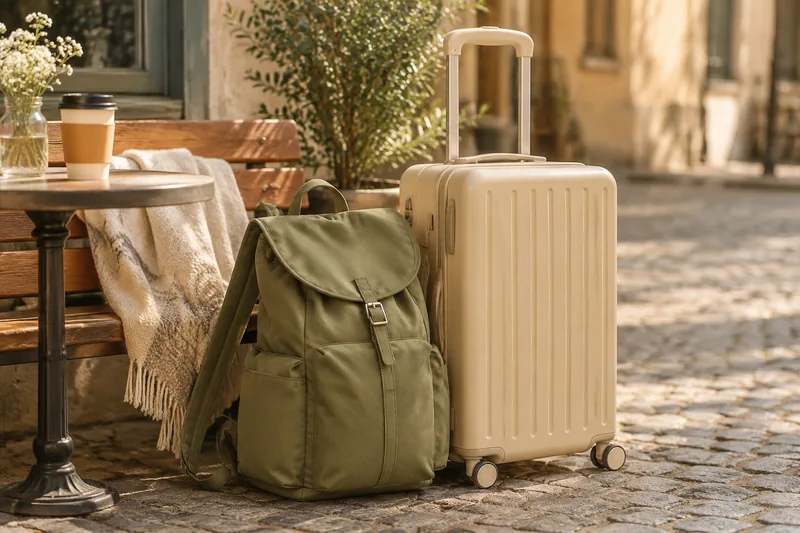
Before shopping for a carry-on bag, pack the items you normally take. That gives you something more concrete than a litre rating to compare with a bag. It also reveals whether your real problem is luggage capacity, awkward access or a packing list full of duplicates.
This is a selection method rather than a product ranking. We have not tested or rated individual bags here, and the right choice can differ with your mobility, itinerary, budget and existing equipment.
Set the outside limits
Find the baggage entitlement you expect to use. GOV.UK says to check bag numbers and sizes with your airline. If you usually book a small underseat allowance, a larger overhead case is not the same purchase even if both are described as carry-on luggage.
Treat external measurements as more important than a capacity claim when checking fit. Litres describe volume; airline limits usually constrain specific dimensions and may add a weight condition. IATA explains that cabin allowances vary, so avoid expecting one “international cabin” label to cover every route.
Check empty weight and usable shape
A heavy empty bag consumes part of a weight allowance before you put anything inside. Compare the manufacturer’s stated empty weight, then consider what that structure gives you: wheels, protection, support or convenient access. Lighter is useful only if the result still works for your belongings and the way you travel.
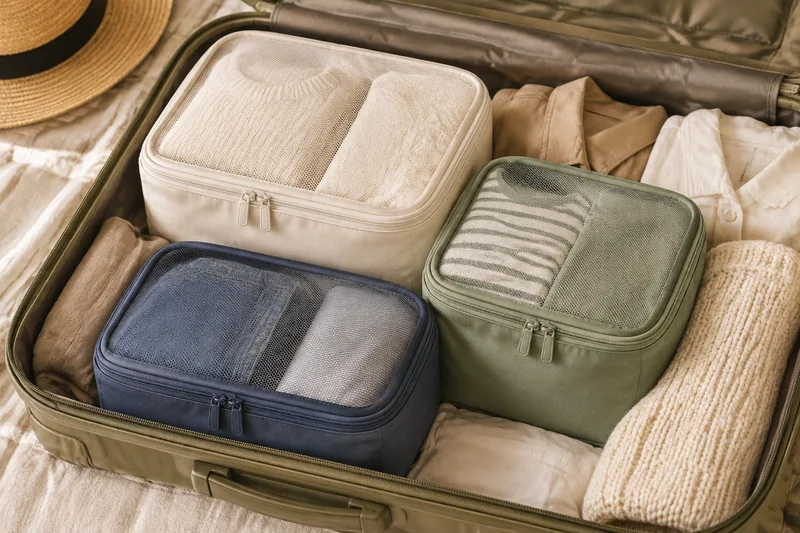
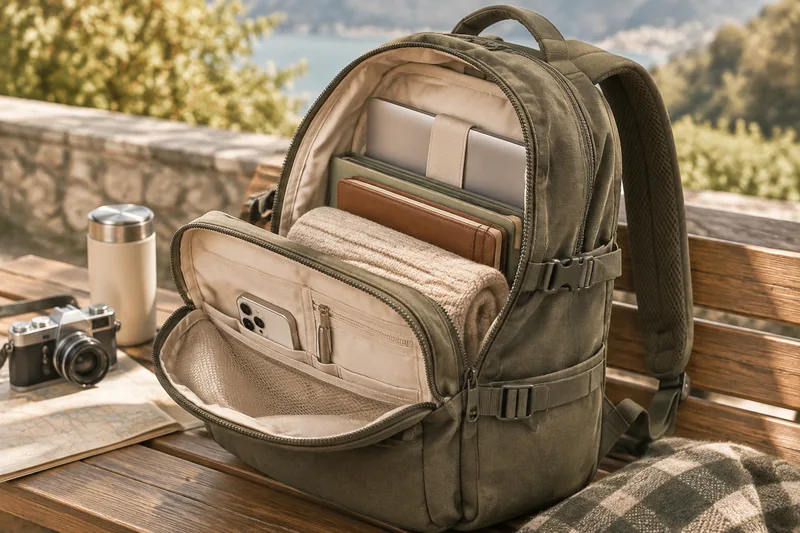
Look inside. Rounded corners, thick padding and a fixed laptop sleeve may reduce the space available for your actual kit. A large central compartment can be flexible, but it can also make small objects hard to find. Choose organisation around the things you own rather than imaginary future equipment.
Inspect the parts you will touch
- Open and close the main zip without forcing the fabric.
- Check whether handles feel secure and comfortable in your hand.
- Try shoulder straps with a realistic load where the shop permits it.
- Roll a wheeled case, turn it and test its handle adjustment.
- Find a sensible location for documents, keys and journey essentials.
- Look for replaceable parts or a useful repair policy where available.
Avoid treating a long feature list as proof of durability. Materials, construction, repair access and the seller’s actual terms need to be checked for the specific product. We do not infer a lifetime of service from appearance or price.
Think through access and security
A clamshell opening can make packing straightforward but may require more room to open fully. A top opening can be convenient during a journey but may hide items at the bottom. Picture using each design in a compact room or crowded departure lounge.
Keep private information and valuables in appropriate secure locations. An external quick-access pocket should save time without becoming an invitation to leave important documents exposed. Do not assume a zip, lock or hidden pocket makes a bag theft-proof.
Make the final test specific
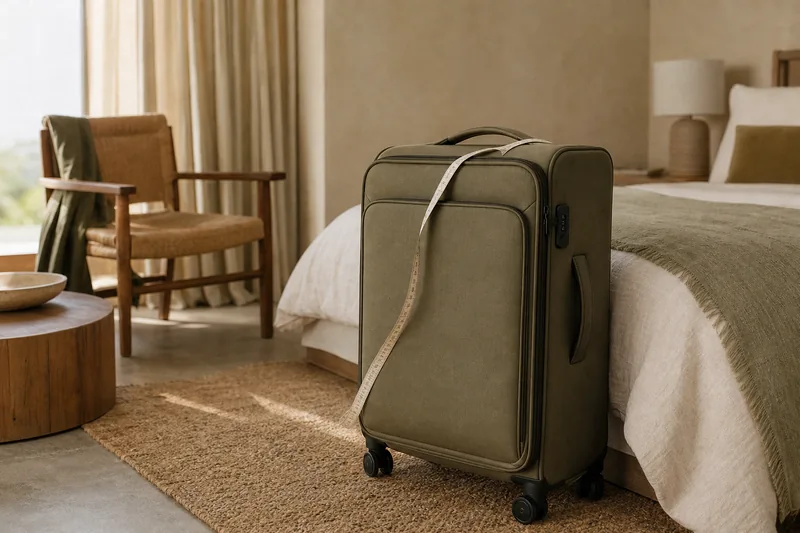
If a return policy allows a careful home trial, follow its conditions and pack your normal list. Measure the full exterior, weigh the load and carry it around. Do not remove tags, damage packaging or assume a used bag will be returnable without checking the seller’s terms.
The best result might be deciding that your current bag works. If it fits your booked allowance and you can manage it comfortably, an extra organiser or a simpler list may solve more than replacing the whole setup. Start with the measurement guide before committing to a new purchase.