The easyJet cabin-bag page checked on 3 November 2026 distinguishes a small underseat cabin bag from a larger cabin bag. Start with that distinction, then read what is attached to your own booking.
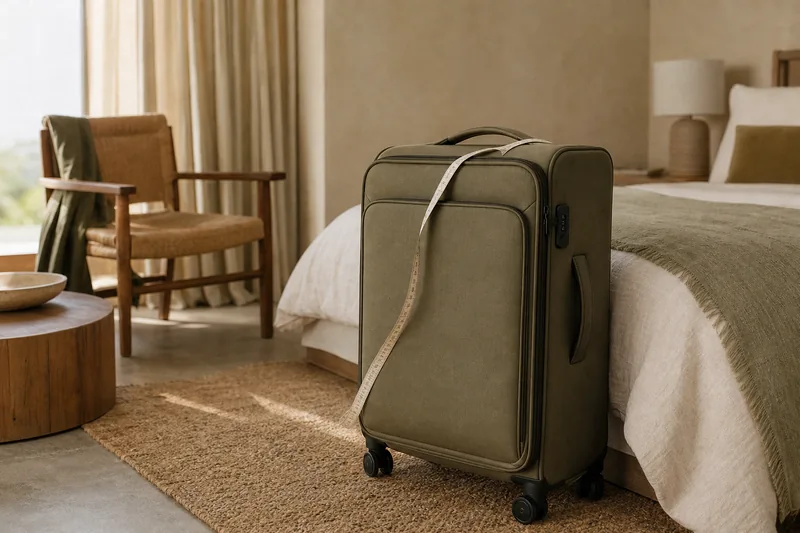
This is an independent explanation of the retrieved policy, not an airline service or a promise that the rules will remain unchanged. Use the live official page and booking details before travel. The image on this guide is an illustration, not a technical fit demonstration.
The small underseat bag
The reviewed page says everyone can bring one small underseat cabin bag per person free of charge. It gives a maximum size of 45 × 36 × 20 cm, including handles and wheels, and says the bag must be kept under the seat in front of you.
It also gives a maximum weight of 15 kg and says you need to be able to lift and carry the bag yourself. A rucksack, handbag or small case is not automatically accepted because of its name; the official page tells customers to check the dimensions.
The larger cabin bag
The reviewed policy gives a maximum size of 56 × 45 × 25 cm, including handles and wheels, for a large cabin bag. It describes that bag as fitting in an overhead locker and gives a maximum weight of 15 kg, with the same self-handling requirement.
Do not read these numbers as an extra allowance included for every passenger. The page explains ways a large bag can be added or be included through applicable fare or membership benefits. Check that the entitlement appears in your actual booking.
| What to verify | Why it matters |
|---|---|
| Which bag is included | Small and large cabin bags are different entitlements |
| Whether a large bag is booked or included | Seeing its dimensions online does not add it to a ticket |
| External measurements | Handles, wheels and packed pockets affect size |
| Weight and handling | Dimensional fit is only one condition |
| Any space-dependent benefit | Some arrangements remain subject to available cabin space |
Read fare and membership conditions in full
The official page discusses easyJet Plus and Inclusive Plus arrangements, including cases where cabin space remains relevant. Rather than collapsing those details into “this seat always includes this bag”, open the section that matches your booking and check any required action.
The page also describes different circumstances for children, infants and additional equipment. If those apply, use the relevant official section. We do not extend the ordinary adult example to every family or assistance situation.
Avoid relying on old fees or app screenshots
Charges and available options can vary. We do not reproduce a fee promise here. Open the airline’s current options through its official booking channels and confirm what you are purchasing before payment.
For measurement, the reviewed page itself recommends a tape measure as the best way to check the bag rather than treating an app sizing tool as definitive. Follow the packed-bag measurement guide and include all the external parts specified in the policy.
Check screening separately
An airline bag allowance does not determine airport liquid-screening rules. Check departure and connecting airports using the UK liquids guidance and the relevant airport instructions.
Before departure, keep the official policy link, inspect the booking’s piece count and prepare essential items for any gate-check scenario. That leaves the policy and your confirmed entitlement in the same place, rather than relying on a label on the suitcase.