Rolling and folding are ways to arrange clothes, not competing rules you need to follow for an entire trip. A mixed approach is often easier: roll soft casual items into available spaces and fold structured garments in a way that suits their shape.
We do not claim a universal percentage of space saved or a guaranteed wrinkle-free result. Fabric, garment construction, packing pressure and how long clothes remain packed all affect the outcome. The useful test is what happens with your own clothes in your own bag.
Start with fewer compatible items
Before changing the arrangement, check the list. A beautifully rolled extra outfit still occupies space and adds weight. OneBag’s introductory guidance puts developing a considered list ahead of buying or arranging luggage; that is a useful distinction here too.
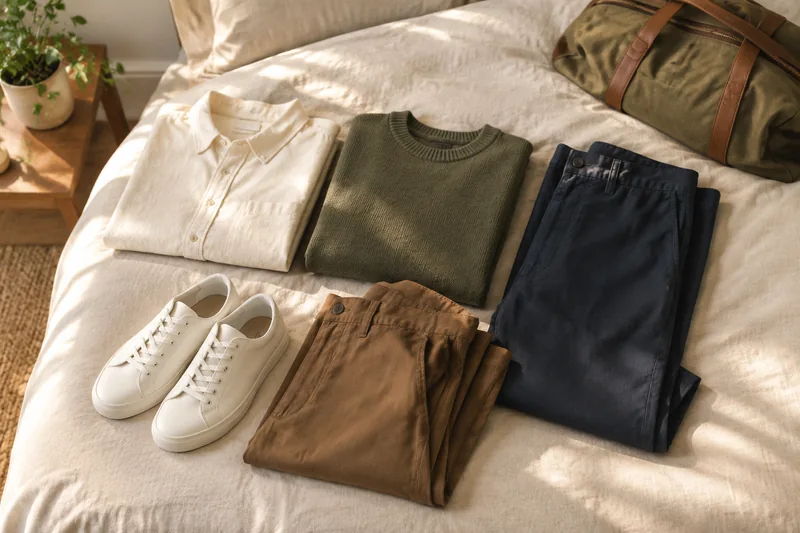
Lay out the garments, remove obvious duplication and make sure they suit the planned activities. Then arrange the things you have decided to take. Do not add clothing simply because a tighter packing method creates an empty corner.
When rolling is convenient
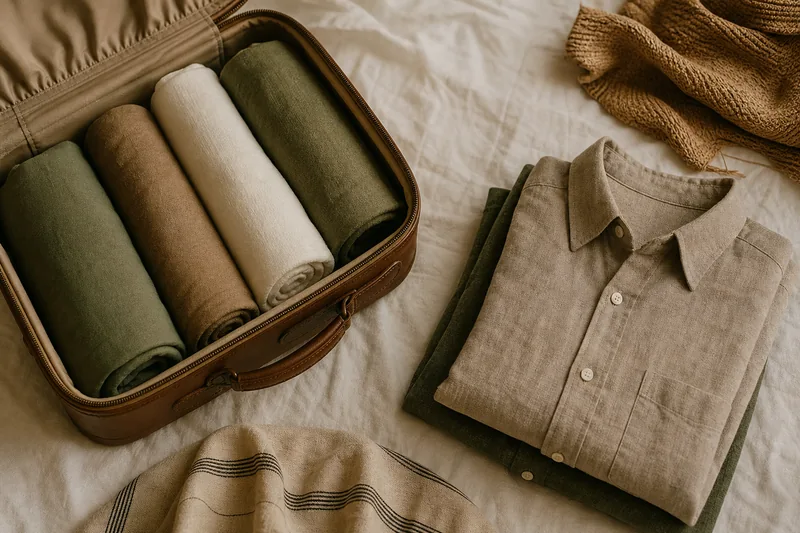
Soft T-shirts, simple knitwear and casual trousers can be easy to roll into compact, identifiable bundles. Fold each garment to a sensible width first and roll it gently rather than stretching it into a hard cylinder.
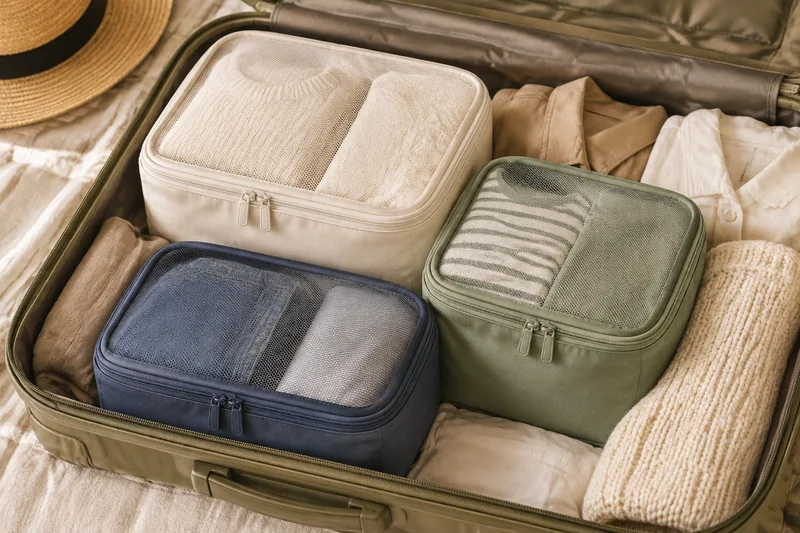
Rolling can make it easier to see several items side by side in a shallow cube. It can also help fill irregular spaces. The benefit is access and arrangement, not a promise that every fabric will occupy less space. Check whether tight rolls cause creasing in the particular garment before relying on the method for an important outfit.
When folding is convenient
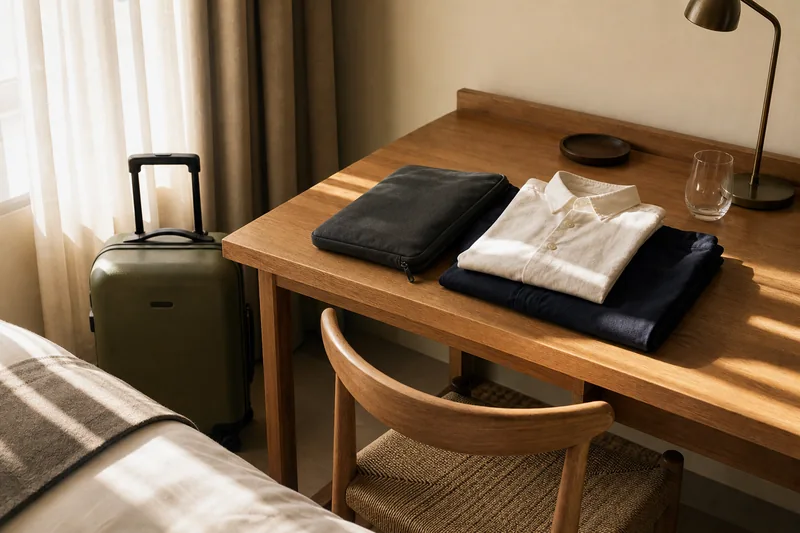
Shirts, tailored pieces and garments with an established fold may fit more comfortably as flat layers. Follow care labels and avoid forcing a fragile or structured item into an unsuitable shape. If an event needs a presentable outfit, test its packed appearance at home.
Use a flat layer that fits the available compartment without excessive doubling. Keep sharp or dirty accessories away from the fabric. A light protective layer may help separate clothing, but extra covers and folders also add weight and bulk.
Build a layout you can use
Place less frequently needed clothing deeper in the bag. Keep the arrival outfit or sleepwear somewhere you can reach without dismantling everything if you expect a late check-in. Leave journey items outside the clothing bundles.
Try this simple sequence:
- Fold structured clothes to suit the flat part of the bag.
- Roll soft items into the remaining usable spaces or one cube.
- Keep underwear and small garments together.
- Isolate shoes and anything that could leak or mark clothing.
- Close the bag without pulling its shape out of alignment.
If the zip requires substantial force, rearranging is not always the answer. Take something out, check the packed dimensions and reconsider which items actually earn their place.
Test after a realistic interval
Pack the important clothes, leave them for a while and inspect them before the trip. You are looking for your own result: whether they emerge in a state you are happy to wear and whether unpacking is straightforward.
At your destination, unpack garments that benefit from hanging, following their care requirements. Keep used items separate so the return packing process remains simple. A method that only looks tidy on departure is less helpful than one you can repeat in a small room before an early train.
For the clothing choices behind the arrangement, continue with the travel capsule wardrobe.