Medicines need their own travel plan. Do not treat an essential item as an optional part of a minimalist toiletries kit, and do not change a treatment or storage routine to fit a smaller bag.
This article covers organisation and points you towards official guidance. It does not recommend a medicine, a dose, a change to treatment or a storage solution for a particular product. Ask your clinician or pharmacist about your own medical and storage requirements.
Separate screening from permission to enter a country
An item being allowed through airport security is not the same as being permitted in the destination country. Check the actual medicine, destination and any transit countries using the appropriate official sources. Different rules can apply to controlled drugs or particular ingredients.
The GOV.UK medicine-screening page links to separate controlled-drug guidance. Follow those routes when relevant instead of assuming that a UK prescription resolves every border requirement.
Read the UK liquid-medicine conditions
The official UK guidance reviewed on 3 November 2026 says essential medicines over 100 ml can be carried in hand luggage. It says you need proof that the medication is prescribed to you when it is both liquid and in a container larger than 100 ml, giving a doctor’s letter or prescription copy as examples.
That page distinguishes tablets and liquids in containers of 100 ml or smaller for that particular proof requirement. Do not extend the distinction into a claim that documentation is unnecessary for all destinations, all medicines or all circumstances. Check the medicine’s complete journey and the current official instructions.
Plan the accessible part of the bag
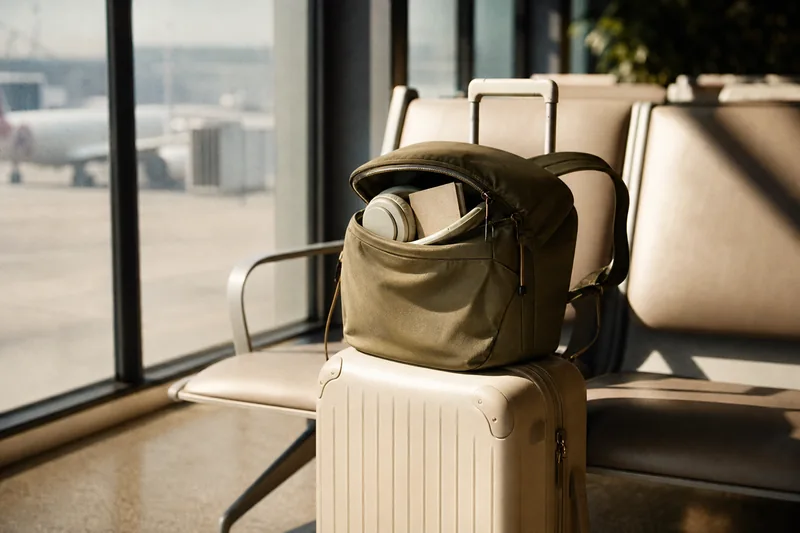
Keep essential items in a place you can reach during the journey. If your main cabin bag needs to travel in the hold, you should be able to remove the relevant personal necessities before handover. Discuss medical-equipment arrangements with the airline in advance when needed.
A practical organisation checklist is:
- Identify the items and documents required for your own situation.
- Keep identifying information and any required original packaging available.
- Plan appropriate storage with your clinician, pharmacist or manufacturer.
- Check screening and carriage requirements for any medical equipment.
- Keep important items accessible without exposing private information unnecessarily.
Do not decant or relabel a medicine simply because a smaller container would fit a cosmetic liquids pouch. Follow actual product and professional guidance.
Allow for separate screening
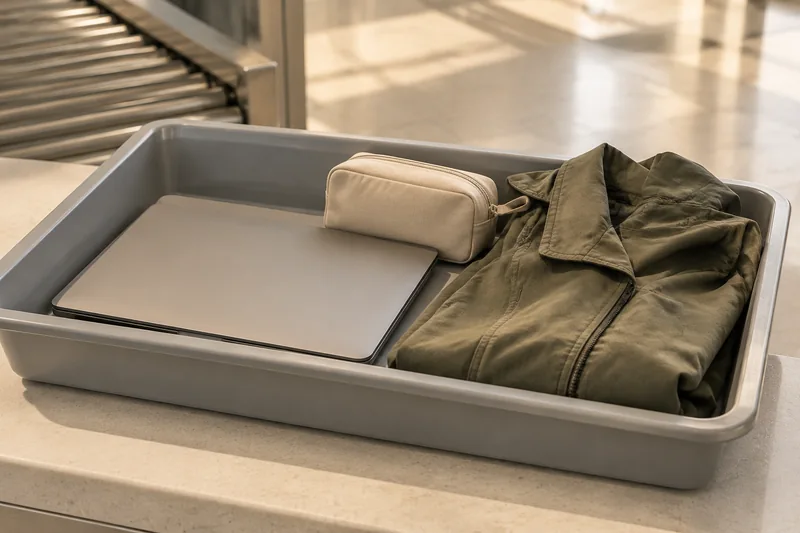
GOV.UK says medical equipment is screened separately and staff may need to open liquid containers. Check the airport’s assistance and screening information in advance where relevant, and ask staff how to present the item.
The same official table tells passengers to contact the airport about ice packs and the airline about oxygen cylinders. Those are examples of why a broad packing checklist cannot determine every item’s acceptance. Obtain the required advice for your actual equipment rather than applying another traveller’s arrangement.
Review the return journey too
Check what will happen at the return airport and during any connections. Keep necessary documents accessible throughout, not only at the first departure. If the itinerary changes, reassess whether the authorities and conditions you checked still cover the new route.
Your packing list should support your medical needs. If a smaller baggage allowance conflicts with necessary equipment or quantities, resolve that with the airline and the relevant professional before travel. Essential care comes before reducing the size of the bag.