
The useful part of a travel laundry plan is not a special pouch or an impressive claim about how few clothes you can carry. It is knowing when the wash happens, where it dries and what you will wear in the meantime. Without those answers, reducing the clothing count can make a simple trip unnecessarily awkward.
Choose the method that fits your accommodation, schedule and garments. Sometimes a paid service or carrying an extra clean change is a better decision than hand washing at midnight.
Confirm the facilities
Check whether a machine is actually available to guests, when you can use it and whether detergent and drying are included. A listing that mentions laundry may mean a chargeable service rather than a machine in the apartment.
If you plan to wash by hand, make sure the accommodation permits it and has suitable space. Do not assume a basin, a towel rail or a balcony is available for that purpose. Follow property rules and avoid hanging wet clothing where it could damage furniture or inconvenience others.
Schedule the wash before a settled night
Pick an evening with enough time to wash and dry the chosen items before the next departure. Thick fabric and humid rooms can make drying less predictable. Do not rely on an exact number of hours unless you have a reason to know the conditions.
Keep a clean outfit available while the wash is in progress. It is also sensible to leave a buffer if the machine is occupied, the service is delayed or an item is still damp in the morning. A plan with no spare capacity is easily disrupted.
Read the garment labels
Separate pieces that need different treatment. Use the garment’s care instructions for temperature, washing and drying rather than treating all travel clothes as quick-dry synthetics. Delicate fabrics, dyes and structured clothing may need a different method or a professional service.
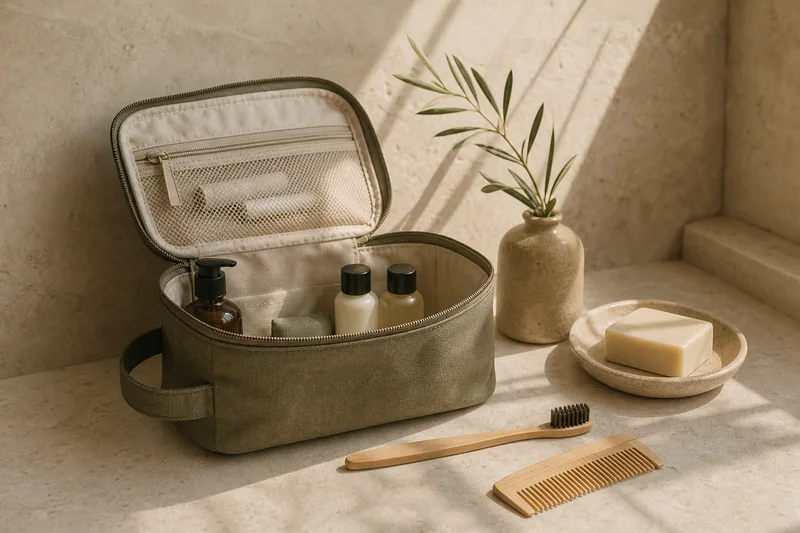
Use a suitable detergent in the amount its instructions specify. More product does not automatically make a small hand wash better and may leave more rinsing to do. Keep detergent secure in your luggage and check the relevant airport rules for any liquid you carry.
Keep the process small
If hand washing is appropriate, choose a manageable group of items rather than soaking your entire clothing supply at once. Rinse as needed and remove excess water in a way the care label permits. Do not twist or stretch a garment that should not be treated that way.
Dry items only in an approved, ventilated location. Keep them away from equipment or heat sources that could damage them or create a hazard. Neither a hotel hairdryer nor an unattended heater is a sensible replacement for a suitable drying plan.
Separate the worn items
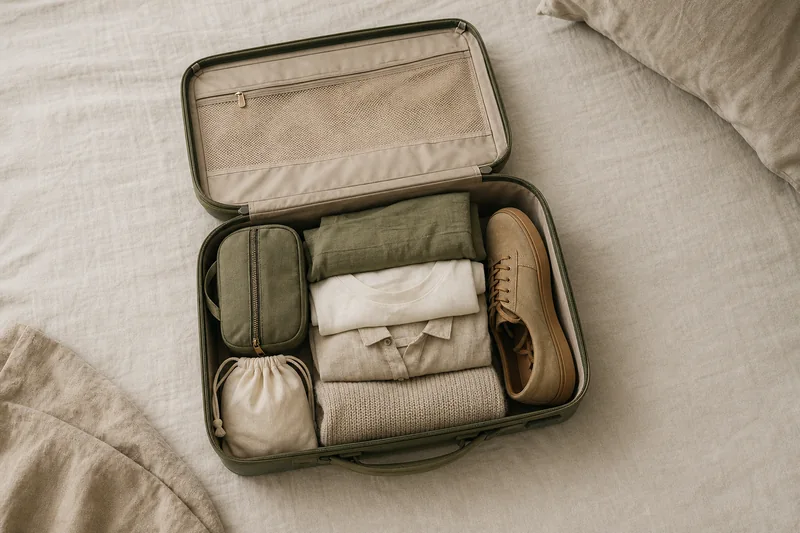
A lightweight laundry pouch keeps worn clothing from becoming mixed with the clean supply. Let damp things dry when possible before storing them. A sealed pouch is useful for a brief transfer, but it does not make the contents dry or clean.
At the end of each day, decide what can be worn again, what needs a wash and what should stay separate. This small habit makes the next morning simpler and helps you see whether the original clothing quantities were realistic.
Adjust the list after the trip
Note the service you used, what dried in time and which garments were inconvenient. On the next trip you may carry fewer duplicates, choose different fabric or decide that one extra change is worth the space. All are reasonable outcomes.
The one-week carry-on plan turns this routine into a clothing rotation. Add the actual washing supplies you need to the packing list, keeping the kit as small as the method allows.